영국 런던에 본사를 둔 유력 일간지로, 1821년에 창간되어 오랜 역사를 자랑하며, 탐사 보도와 심층 분석 기사로 국제적인 명성을 얻고 있는 가디언(The Guardian)은 25.9.12일(금), '한국 국민 316명이 겪은 미국 조지아 체포/구금 8일 간의 악몽'에 관한 기사를 보도했다.
아래는 기사 전문이다.
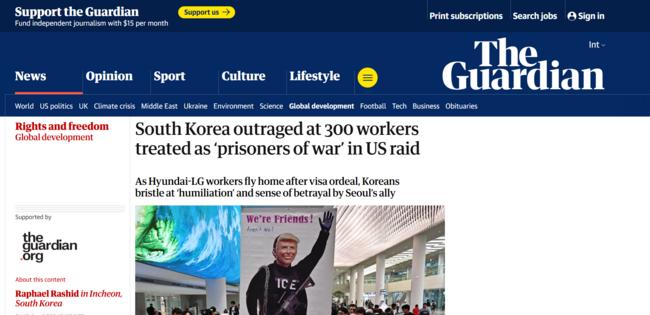 가디언(The Guardian) 보도 (이미지=가디언 홈페이지)
「미국 단속에서 '전쟁 포로'처럼 취급받은 300명 노동자, 한국 사회는 격분」
현대-LG 노동자들이 비자 시련 끝에 귀국하며, 한국 국민들은 동맹국에 대한 '굴욕감'과 배신감을 느낀다.
2025년 9월 12일 금요일 13:07 (영국 표준시)
300명 이상의 한국인 노동자들이 금요일 오후 인천국제공항에 도착하며 일주일간의 시련을 마무리했습니다. 이 시련은 미국 국토안보부 이민세관단속국(ICE)의 사상 최대 규모 단일 현장 단속으로 시작되었고, 한국은 과연 가장 가까운 동맹국을 신뢰할 수 있는지 의문을 품게 되었습니다.
조지아주 현대-LG 배터리 공장 건설 현장에서 475명의 구금자 중 한 명이었던 한국인 316명과 다른 국적 노동자 14명은 9월 4일 구금된 후, 현지 시각으로 오후 3시 직후 대한항공 전세기를 타고 착륙했습니다.
미국 당국의 처사에 대해 한국에서는 정치 성향을 가리지 않고 광범위한 분노가 일어났습니다. 한 신문은 노동자들이 "전쟁 포로"처럼 취급받았다고 표현했고, 또 다른 신문은 한국인들이 가장 가까운 동맹국에게 "뒤통수를 맞았다"고 느끼고 있다고 묘사했습니다.
노동자들이 사생활 보호를 요청함에 따라, 모여 있던 언론들은 거리를 두었습니다. 귀국자들은 소규모 그룹으로 나와 대기 중인 버스에 올랐습니다. 대부분은 마스크를 착용하고 작은 가방만 들고 있었으며, 많은 이들이 지쳐 보였지만 마침내 시련이 끝났다는 안도감을 드러냈습니다.
강훈식 비서실장은 기자들에게 격려의 말을 전하러 왔다고 말했습니다. 그는 "최선을 다했지만, 그들을 더 빨리 조국으로 모셔 오지 못해 죄송하다"고 말했습니다.
강 실장은 "우리는 미국을 대하는 새로운 시대에 살고 있다"고 말했습니다. "기준은 매번 변하고, 관세뿐만 아니라 안보 문제에서도 끊임없이 거래(deal-making)가 필요할 것입니다."
노동자들은 현대차의 미국 내 전기차 사업에 매우 중요한 43억 달러(약 3조 2천억 원) 규모의 배터리 공장을 짓고 있었습니다. 대부분은 LG에너지솔루션이나 그 하청업체에 고용된 상태였습니다.
이번 구금 사태는 미국 당국이 회의나 훈련과 같은 허용된 활동이 아닌 실제 고용 활동으로 간주한 데서 비롯되었습니다. 노동자들이 B-1 상용 비자와 90일 비자 면제 프로그램(ESTA)을 사용했기 때문입니다.
한국 기업들은 그동안 이 '회색 지대'에 의존해 왔습니다. 공식적인 H-1B 취업 비자를 얻는 데는 몇 달이 걸리며, 한국은 다른 미국의 무역 파트너들이 누리는 별도의 쿼터 할당이 없기 때문입니다. 이전 미국 행정부들은 이러한 관행을 대체로 묵인해 왔습니다.
이재명 대통령은 목요일, 미국이 비자 문제를 신속히 해결하지 않으면 한국 기업들이 미국 내 사업 확장을 "주저하게 될 것"이라고 워싱턴에 가장 날카로운 경고를 보냈습니다.
이재명 대통령은 "미국에 진출한 한국 기업들이 심각한 혼란 상태에 있을 것"이라며, "이것은 장기적인 상주 고용이 아닙니다. 공장을 세우려면 기계와 장비를 설치할 기술자들이 필요합니다. 미국에는 그러한 인력이 없고, (우리 노동자들이) 머물며 일할 수 있는 비자도 주지 않습니다"라고 말했습니다.
도널드 트럼프 대통령이 노동자들에게 미국에 남아 미국인들을 훈련시키라고 제안하면서 이들의 조지아 출발은 하루 지연되었지만, 오직 한 명만이 남기로 결정했습니다.
조현 외교부 장관은 미국으로 건너가 마르코 루비오 국무장관을 만나 노동자들이 이송되는 동안 수갑을 채우지 않겠다는 약속을 받아냈습니다.
이러한 양보는 ICE가 수갑을 찬 한국인 노동자들의 영상물을 공개하며, 과거 외세에 의한 굴욕적인 경험을 연상시켜 특히 민감한 불만을 해소하는 데 도움이 되었습니다.
이번 사건은 전례 없는 대중적 분노를 일으켰습니다. 국내 방송사 MBC의 여론조사에 따르면, 응답자의 68%가 미국 정부가 이 사태를 처리하는 과정에서 "동맹국인 한국에 대한 배려를 보이지 않았다"고 믿고 있는 것으로 나타났습니다.
한국 언론의 반응은 정치적 성향을 초월하여 날카로웠습니다. '서울경제신문'은 노동자들이 "전쟁 포로"처럼 취급받았다고 표현했고, 보수 성향의 '조선일보'는 이를 "신뢰 위반"을 나타내는 "무자비한 체포 작전"이라고 비판했습니다. 반면 진보 성향의 '한겨레'는 "동맹한테 이럴 수 있나?"라고 물으며, 이재명 대통령이 최근 트럼프를 만난 후 한국인들이 "뒤통수를 맞은" 느낌을 받았다고 묘사했습니다.
공항에서 만난 75세의 홍정식 시위자는 동료 시민들의 구금 사태에 배신감을 느꼈다며 국민적 분노를 대변했습니다. 그는 "트럼프, 당신이 누구라고 생각하느냐?"고 외치며 이번 사건을 "국가적 굴욕"이자 "악마 같은 행동"이라고 비난했습니다.
「South Korea outraged at 300 workers treated as ‘prisoners of war’ in US raid」
As Hyundai-LG workers fly home after visa ordeal, Koreans bristle at ‘humiliation’ and sense of betrayal by Seoul’s ally
Fri 12 Sep 2025 13.07 BST
More than 300 South Korean workers arrived at Incheon international airport on Friday afternoon, ending a week-long ordeal that began with the US Department of Homeland Security’s largest ever single-site raid by Immigration and Customs Enforcement (ICE) agents, and has left South Korea questioning whether it can trust its closest ally.
The 316 Koreans, along with 14 workers of other nationalities, landed shortly after 3pm local time on a chartered Korean Air flight after being detained since 4 September at a Hyundai-LG battery plant construction site in Georgia.
There was widespread anger across the political spectrum in South Korea at the behaviour of the US authorities, with one newspaper referring to the workers being treated like “prisoners of war” and another describing Koreans as feeling stabbed in the back by their closest ally.
The workers had requested privacy, and the assembled media kept their distance as the returnees emerged in small groups to board waiting buses. Most wore face masks and carried only small bags; many looking worn out but bearing the weary relief of people whose ordeal had finally ended.
Addressing reporters, the presidential chief of staff, Kang Hoon-sik, said he had come to offer words of encouragement. “We did our best, but I’m sorry we couldn’t bring them back to their homeland sooner,” he said.
“We’re in an age of new normal in dealing with the United States,” Kang said. “The standard changes every time and constantly there has to be deal-making, not only on tariffs, but it’ll also be the case with security issues.”
The workers had been building a $4.3bn (£3.2bn) battery plant, which is crucial to Hyundai’s electric vehicle ambitions in the US. Most were employed by LG Energy Solution or its subcontractors.
The detention stemmed from workers using B1 business visas and the 90-day visa waiver programme (Esta) for what US authorities deemed actual employment rather than permitted activities such as meetings or training.
Korean companies have long relied on this “grey zone” because the official H-1B work visas take months to obtain and South Korea lacks the dedicated quota allocations that other US trade partners enjoy. Previous US administrations had largely turned a blind eye to the practice.
The South Korean president, Lee Jae Myung, delivered his sharpest warning yet to Washington on Thursday, stating that Korean businesses would “hesitate to make direct investments” if the US failed to resolve visa issues quickly.
“Korean businesses that have entered the United States are likely in a state of serious bewilderment,” he said. “This isn’t long-term permanent employment, but to establish facilities and equipment for factories; we need technicians to install machinery and equipment. The US doesn’t have such personnel, and they won’t give visas for [our workers] to stay and work.”
The workers’ departure from Georgia was delayed by a day after President Donald Trump offered to let them stay and train Americans, but only one person chose to remain.
South Korea’s foreign minister, Cho Hyun, flew to the US to meet his counterpart, Marco Rubio, securing assurances that workers would not be restrained while being transported.
The concession addressed a particularly sensitive grievance after ICE’s release of video footage showing Korean workers being led away in chains, evoking historical experiences of subjugation by foreign powers.
The episode has generated unprecedented public anger. A survey by the local broadcaster MBC found 68% of respondents believed the US government “did not show consideration for South Korea as an ally” in handling the situation.
Korean media responses were scathing across the political spectrum. Seoul Economic Daily described workers being treated like “prisoners of war”; the conservative Chosun Ilbo called it a “merciless arrest operation” representing a “breach of trust”; while the progressive Hankyoreh asked: “Is this what you do to an ally?” and described Koreans feeling “backstabbed” after Lee’s recent meeting with Trump.
At the airport, a 75-year-old protester, Hong Jung-sik, reflected a nation’s anger when he said the detention of fellow citizens had left him feeling betrayed. “Trump, who do you think you are?” he shouted, describing the episode as a “national humiliation” and “evil behaviour”.




 한국 주식을 언제든/어디서든/믿고/편리하게 살 수 있게 시간/공간/불신/불편 장벽 해소
 현대자동차그룹 '2026 CES 선언'의 의미
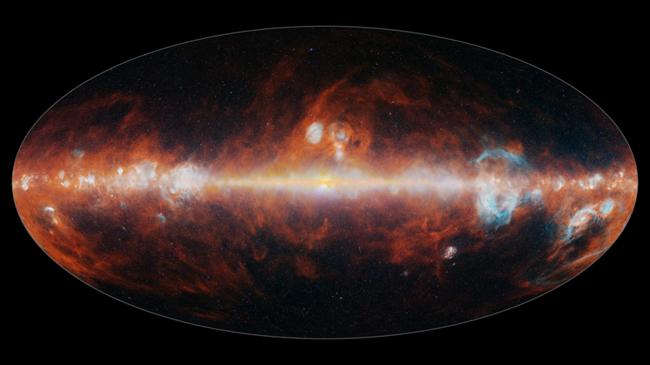 21세기 천상열차분야지도, 스피어엑스 우주 지도
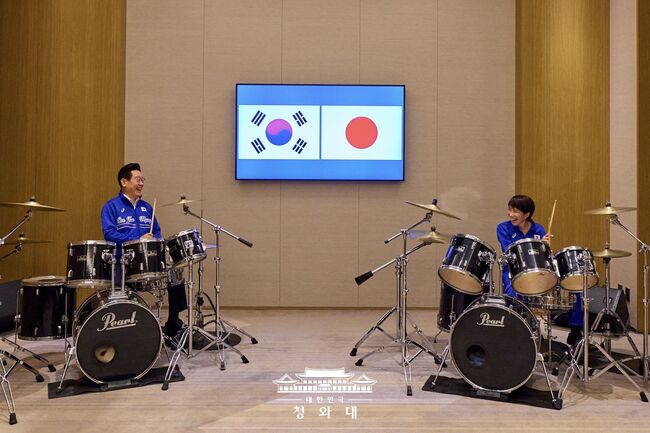 한일 정상회담 및 주요 성과 관련 대국민보고
 혐오하지 않을 용기
 목록
목록