미국의 종합 일간지이자, 세계적으로 가장 영향력 있고 권위 있는 신문 중 하나인 뉴욕 타임스(The New York Times)에서 25.10.14일, 미·중 무역전쟁이 전 세계에 광범위한 불확실성으로 몰아넣고 있다고 보도했다.
속보 경쟁보다는 심층 분석, 탐사 보도, 국제 뉴스에 강점을 가지며, 주요 연설문이나 정책 문서를 전문 그대로 게재하는 등 기록으로서의 가치를 중시하여, 흔히 미국 언론의 상징이자 기록자(Newspaper of Record)로 통한다.
미국 조선업을 지원한 대한민국 한화에 중국이 보복 조치를 취했지만, 미국은 이에 대해 아무런 언급도 없다. NYT는 트럼프 대통령이 촉발한 미국과 중국 간의 무역 갈등이 양국 간의 문제를 넘어 세계 경제를 예측 불가능한 혼란과 불확실성으로 몰아넣고 있지만, 피해는 동맹들이 고스란히 지고 있다고 진단한다.
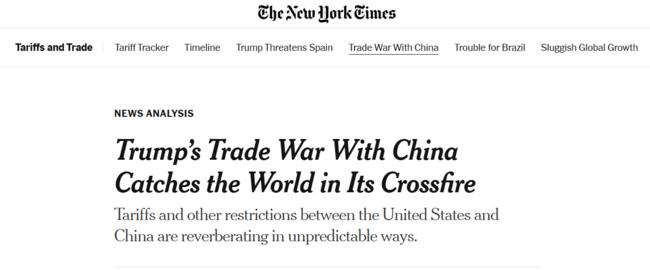 뉴욕 타임스 보도 (이미지=뉴욕 타임스 홈페이지)
< 트럼프발(發) 미·중 무역전쟁, 전 세계를 소용돌이로 몰아넣다 >
미국과 중국 간 관세 장벽과 각종 규제 강화가 예상치 못한 파급 효과를 낳고 있습니다.
패트리샤 코헨(Patricia Cohen)
2025년 10월 14일
세계 경제를 분석하는 주요 기관 중 하나인 국제통화기금(IMF)이 지난 화요일 최신 경제 보고서를 발표했다. 하지만 이번 경제 전망은 현재 세계 경제가 얼마나 혼돈 속에서 요동치고 있는지를 제대로 담아내지 못하고 있다.
IMF가 보고서를 준비하는 와중에도, 상황은 이미 숨 가쁘게 변하고 있었다. 주택 건설 비용 상승을 불러올 것으로 보이는 미국의 수입 목재, 가구, 주방 캐비닛에 대한 새로운 관세가 화요일부터 발효되었다. 동시에 중국과 미국이 상대국 선박에 부과하는 항만 진입 수수료 인상 조치도 첫 단계가 시행되었다.
화요일에 일어난 무역 정책의 변화는 트럼프 대통령이 기존 세계 경제 질서를 뒤엎겠다고 선언하면서 시작된 일련의 파장 중 작은 한 부분에 불과하다. 앞으로도 더 많은 변화가 예고되어 있다.
지난주 중국 정부는 반도체, 휴대전화, 풍력 터빈 등 거의 모든 현대 전자기기 제조에 필수적인 희토류 금속의 수출 규제를 대폭 강화하기로 했다. 전기차 배터리 생산 장비에 대한 새로운 규제 또한 다음 달부터 시행될 예정이다.
트럼프 대통령의 격앙된 태도는 주말을 지나며 다소 누그러졌다. 그의 초기 대응이 지난 4월 관세 부과 발표 이후 가장 큰 폭의 주가 급락을 불러왔기 때문이다. 하지만 중국 수입품에 100% 추가 관세를 부과하겠다는 위협은 여전히 철회되지 않은 채 남아있다.
런던 경영대학원의 리처드 포르테스 교수는 "미·중 관계는 매우 불안정하며, 내일 무슨 일이 일어날지 예측하기 어렵다. 이는 현 행정부의 특징이기도 하다"라고 말했다.
두 강대국의 갈등, 전 세계를 관통하다
두 경제 강국 간의 긴장이 고조되면서, 다른 국가들, 즉 거의 모든 나라가 이 갈등의 소용돌이에 휘말리고 있다. 예를 들어, 중국의 금속과 자석 규제는 해당 재료를 사용하고 유럽 내에서 국경을 넘어 운송하는 유럽 자동차 제조사들에게 영향을 미치게 된다. 또한 중국에서 건조된 선박에 부과되는 세금은 미국 항구를 이용하는 비(非)중국계 해운사에도 적용된다.
화요일, 중국 정부는 보복 조치를 강화하며 대한민국 해운 기업인 한화(Hanwha)의 미국 내 자회사 5곳을 제재 명단에 올렸다. 이들이 미국의 조선(造船) 산업 관련 움직임에 '협력하고 지원했다'는 혐의를 적용했다.
베이징과 워싱턴은 또한 전 세계 국가들에게 노골적으로 한쪽 편을 들도록 압박하고 있다. 중국 자동차의 세계 최대 구매국 중 하나인 멕시코는 트럼프 행정부의 강력한 로비 끝에 지난달 중국산 차량에 50% 관세를 부과하는 방안을 제안했다.
한편, 인도는 백악관이 인도의 러시아산 원유 구매에 불만을 품고 인도산 제품에 최고 50%의 관세를 부과하자 중국 쪽으로 더 가까이 움직였다. 지난 8월, 나렌드라 모디 총리는 7년 만에 중국을 방문해 안보 및 경제 회의에 참석했다. 이는 트럼프 행정부가 인도를 계속해서 압박한다면, 인도에는 다른 우방국들이 충분히 있다는 점을 대외적으로 보여준 것이다.
영국 철강업계를 강타한 EU의 보호무역 조치
트럼프 대통령 취임 이후 글로벌 무역 정책의 변화는 매우 빠르게, 때로는 느리게 진행되면서 광범위하고 예측하기 어려운 파장을 낳고 있다.
트럼프 대통령이 올여름 미국으로 들어오는 대부분의 철강과 알루미늄에 50% 관세를 부과하겠다는 계획을 발표했을 때, 영국 철강업계는 안도했다. 영국 정부가 관세율을 그 절반인 25%로 합의했기 때문이다.
하지만 지난주 유럽연합(EU)이 27개 회원국으로 수입되는 철강에 대해 자체적인 징벌적 관세를 발표하면서 영국의 분위기는 급격히 침체되었다. 수출의 거의 80%를 EU로 보내는 영국 철강 산업에 뼈아픈 타격이 되었다.
아이러니하게도 이 정책의 주요 대상은 영국이 아니었다. 영국은 베이징과 워싱턴을 겨냥한 조치에 의도치 않게 피해를 본 제삼자에 불과했다.
EU의 50% 관세는 덤핑으로 저가 철강을 세계 시장에 유통했다는 비난을 받는 중국을 겨냥한 것이다. 동시에, 이 관세는 미국과의 협상에서 EU가 더 유리한 위치를 확보하기 위한 포석도 깔려 있었다.
EU 행정부는 지난주 "EU는 뜻을 같이하는 국가들과 협력하여 전 세계적인 공급 과잉으로부터 경제를 보호할 준비가 되어 있다"며, "우리는 미국과의 협력 방안을 계속 모색할 것"이라고 밝혔다.
이러한 보호무역주의적 움직임은 캐나다, 브라질, 멕시코가 자국 철강업체를 보호하려는 조치를 취하면서 전 세계로 확산되고 있다.
불확실성 속, 아시아로 이동하는 경제 무게중심
런던 경영대학원의 루크레치아 라이클린 교수는 무역 정책이 자주 바뀌더라도, 글로벌 경제의 무게중심이 서구에서 아시아로 이동하는 가운데 세계 경제는 여전히 강하게 연결되어 있을 것이라고 전망했다.
현재 미국과 중국 모두 성장세가 둔화되고 있으며, 단기 및 장기 전망 모두 깊은 불확실성이 드리워져 있다.
포르테스 교수는 세계 양대 경제 대국 간의 역학 관계를 이렇게 요약했다. "중국은 안정적이고 명확한 목표를 가지고 있다. 반면, 트럼프 행정부는 그 견해와 정책이 매일같이 바뀐다."
그는 이어서 "이러한 불확실성의 정도가 엄청나며, 그 영향은 전 세계 경제로 퍼지고 있다"고 덧붙였다.
< Trump’s Trade War With China Catches the World in Its Crossfire >
Tariffs and other restrictions between the United States and China are reverberating in unpredictable ways.
By Patricia Cohen
Patricia Cohen writes about the global economy from London.
Oct. 14, 2025
One of the world’s main number crunchers released its latest economic report on Tuesday. But the middling forecast from the International Monetary Fund doesn’t begin to capture the helter-skelter ride the global economy is on.
Even as the I.M.F. was preparing its report, a flurry of developments were already altering the picture. New U.S. tariffs on imported wood, furniture and kitchen cabinets that are expected to drive up the cost of home building took effect on Tuesday. So did the opening round of higher port entry fees that China and the United States will impose on each other’s vessels.
Tuesday’s turn of the trade wheel was just one click in a series of repercussions set in motion by President Trump’s vow to smash the world’s economic order. More will follow.
Last week, Beijing decided to sharply step up curbs on its export of rare earth metals, materials that are essential for the manufacturing of semiconductors, cellphones, wind turbines and nearly every other modern gadget. New restrictions on equipment needed to produce batteries for electric cars are also scheduled to take effect next month.
Mr. Trump’s initial fury softened over the weekend, after his response led to the sharpest decline in stocks since April, when the president’s initial barrage of tariffs was announced. Still, his threat to slap an additional 100 percent tariff on Chinese imports was left dangling.
“The U.S.-China relationship is highly volatile,” said Richard Portes, a professor at the London Business School. “One doesn’t really know what to expect from one day to the next, and that is typical of the current administration.”
The souped-up tension between the two economic superpowers is catching other countries — that is, almost every country — in the crossfire. China’s restrictions on metals and magnets, for instance, would affect European automakers that use those materials and ship them across borders within Europe. And the levies on ships made in China apply even to non-Chinese shipping companies stopping at American ports.
On Tuesday, the Chinese government ratcheted up the retaliation by adding five American subsidiaries of the South Korean shipping company Hanwha to its sanctions list, accusing the subsidiaries of “supporting and assisting” the United States in its moves in the shipbuilding industry.
Beijing and Washington are also essentially pressuring nations around the globe to take sides. Mexico, one of the world’s biggest buyers of Chinese cars, proposed a 50 percent tariff last month on those vehicles after heavy lobbying from the Trump administration.
India, meanwhile, has moved closer to China since the White House, piqued by New Delhi’s continued purchase of Russian oil, imposed tariffs up to 50 percent on Indian goods. In August, Prime Minister Narendra Modi visited China for the first time in seven years to attend a security and economic conference — a public display by India’s leader that his country has plenty of allies should the Trump administration continue to single it out for punishment.
Since Mr. Trump took office, shifts in global trade policy have happened both at high speed and in slow motion, reverberating in broad and unpredictable ways.
When Mr. Trump announced his plan this summer to slap 50 percent tariffs on most steel and aluminum coming into the United States, British steel makers felt lucky. Their government had already struck a deal that their steel would be tariffed at only half that amount — 25 percent.
But the mood in Britain darkened considerably last week when the European Union announced its own set of punishing tariffs on steel imported into its 27-nation bloc. The policy delivered a gut punch to Britain’s steel industry, which sends nearly 80 percent of its exports to the European Union.
Britain, though, wasn’t the target of the policy — just a bystander to moves aimed at Beijing and Washington.
The 50 percent E.U. tariff was directed at China, which has been accused of dumping underpriced steel on the global market. The tax was also designed with an eye to putting the European Union in a better negotiating position with the United States.
“The Union is ready to work with like-minded countries with a view to ring-fencing their economies from global overcapacity,” the European Union’s executive arm said last week. “We will continue exploring ways of working together with the U.S.”
The protectionist impulse is also going viral, with Canada, Brazil and Mexico taking steps to shield their homegrown steel makers.
Despite the frequent swerves in trade policy, though, the global economy will remain highly integrated, said Lucrezia Reichlin, a professor at the London Business School, even as the center of gravity shifts toward Asia and away from the West.
For now, growth is slowing in both the United States and China, while a pervasive unpredictability characterizes the short- and long-term outlooks.
Mr. Portes at the London Business School summed up the dynamic between the world’s two largest economies: “China has stable, clear and determined objectives. The Trump administration changes from day to day, in its views and its policies.”
“The degree of uncertainty is huge,” he added, “and that has consequences for the global economy.”




 한국 주식을 언제든/어디서든/믿고/편리하게 살 수 있게 시간/공간/불신/불편 장벽 해소
 현대자동차그룹 '2026 CES 선언'의 의미
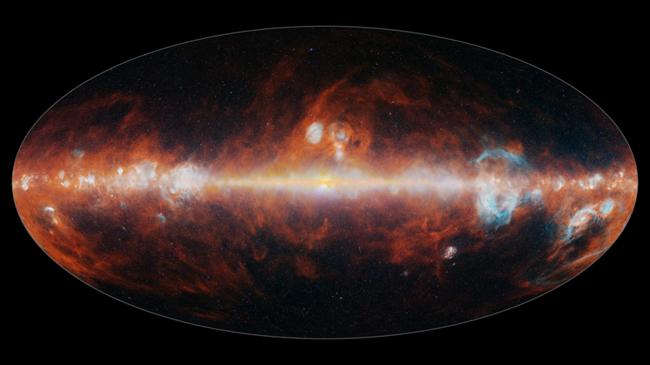 21세기 천상열차분야지도, 스피어엑스 우주 지도
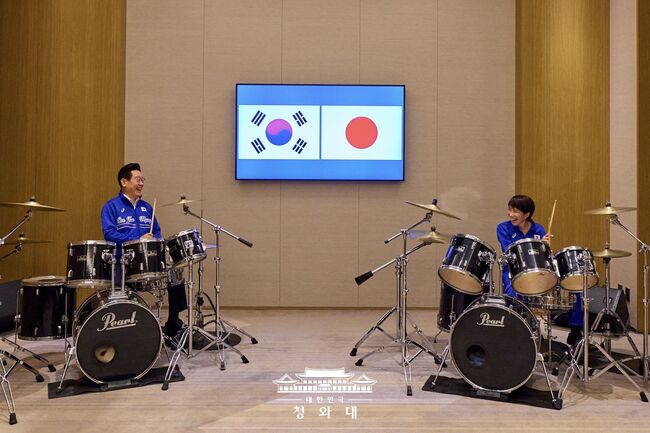 한일 정상회담 및 주요 성과 관련 대국민보고
 혐오하지 않을 용기
 목록
목록